

Old savings bonds can look like the sort of investment that only becomes more valuable with time.
Maybe it was a birthday gift from a grandparent, or something a parent bought decades ago and tucked inside a folder with other important documents. Years pass, and nobody thinks much about it.
After all, it’s backed by the federal government. What could go wrong?
Quite a bit, actually, without the bond ever losing its redemption value. At some point, it simply stops earning interest.
Why Savings Bonds Eventually Stop Earning Interest
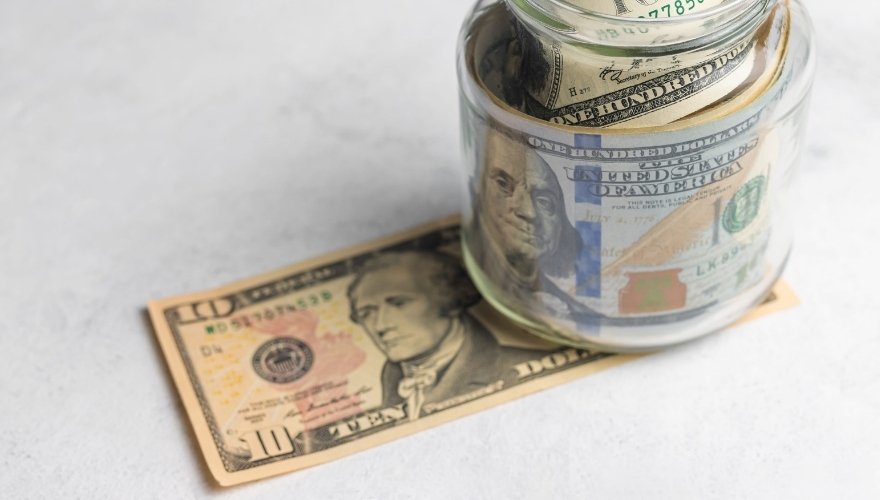
Buying a savings bond means lending money to the federal government in exchange for interest paid over a specified period. Unlike a regular savings account, however, that earning period has a definite ending.
Older bonds sometimes had an initial maturity date followed by extensions that allowed interest to accumulate for additional years.
Final maturity is different. Once that date arrives, interest stops permanently.
Series EE and Series I bonds generally earn interest for up to 30 years, although earlier bond programs operated under different rules.
Consider a Series EE bond issued in October 1996.
It reaches final maturity in October 2026, exactly 30 years later. After that, its redemption value stops increasing.
I’ve always found the distinction between repayment and interest rather interesting.
Government backing means the owner can collect the money owed. It doesn’t mean the government has promised to keep paying interest indefinitely.
Taxes Can Arrive Before You Cash the Bond
Another detail deserves attention, particularly for anyone holding several old bonds.
Savings bond owners can generally postpone reporting accumulated interest until redemption or final maturity. Once a bond reaches final maturity, however, deferred interest becomes federally taxable even if the owner hasn’t cashed the paper certificate.
Consider someone who originally purchased $25,000 in savings bonds that eventually grew to $70,000.
That leaves $45,000 in accumulated interest potentially entering taxable income in a single year.
Federal income tax applies to savings bond interest, although state and local income taxes generally do not. Depending on the owner’s circumstances, a substantial increase in reported income could also affect Medicare premiums for retirees.
None of this means every old bond automatically creates an immediate tax bill. Timing matters. Owners who already reported interest annually have different reporting obligations.
Still, discovering that an untouched investment has created taxable income can be an unpleasant surprise.
How to Tell If an Old Savings Bond Is Still Growing

Checking an old savings bond is usually easier than people expect. Start with two details printed on the certificate: its series and issue date. Together, they determine the applicable maturity rules.
TreasuryDirect provides an official Savings Bond Calculator that estimates the current redemption value of paper bonds. It can also help identify bonds that have stopped earning interest.
If you’re not sure whether your family still has old savings bonds, this short video guide explains how to search for missing bonds and learn about the redemption process. It’s a useful starting point if you suspect that bonds purchased decades ago may have been forgotten.
Electronic bonds work differently. TreasuryDirect automatically redeems Series EE and I bonds at final maturity, placing the proceeds into a zero-interest account within TreasuryDirect.
For paper bond owners, cashing a matured certificate releases money that could be placed into another interest-bearing investment.
Safe Doesn’t Mean Forever
Savings bonds earned their reputation as dependable investments for good reason.
Government backing, predictable rules, and relatively little maintenance made them attractive gifts and long-term savings tools. Yet safety and continued growth are two different things.